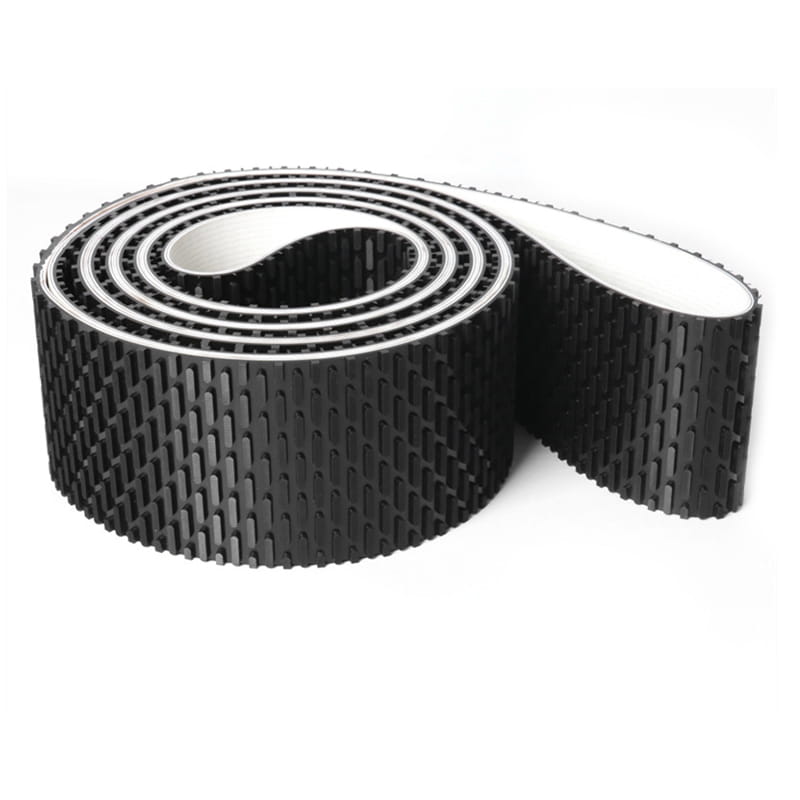
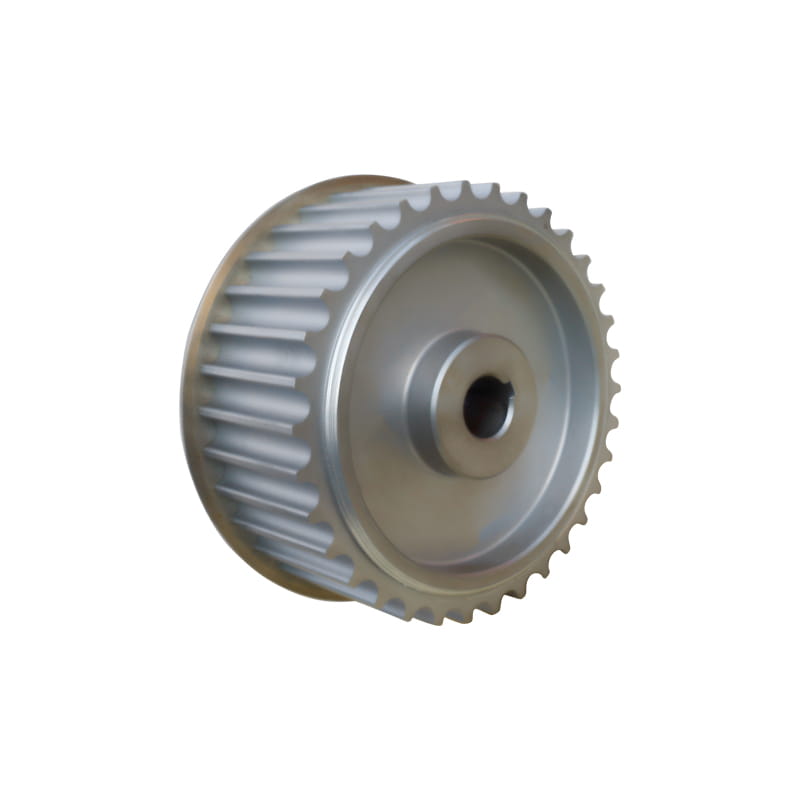
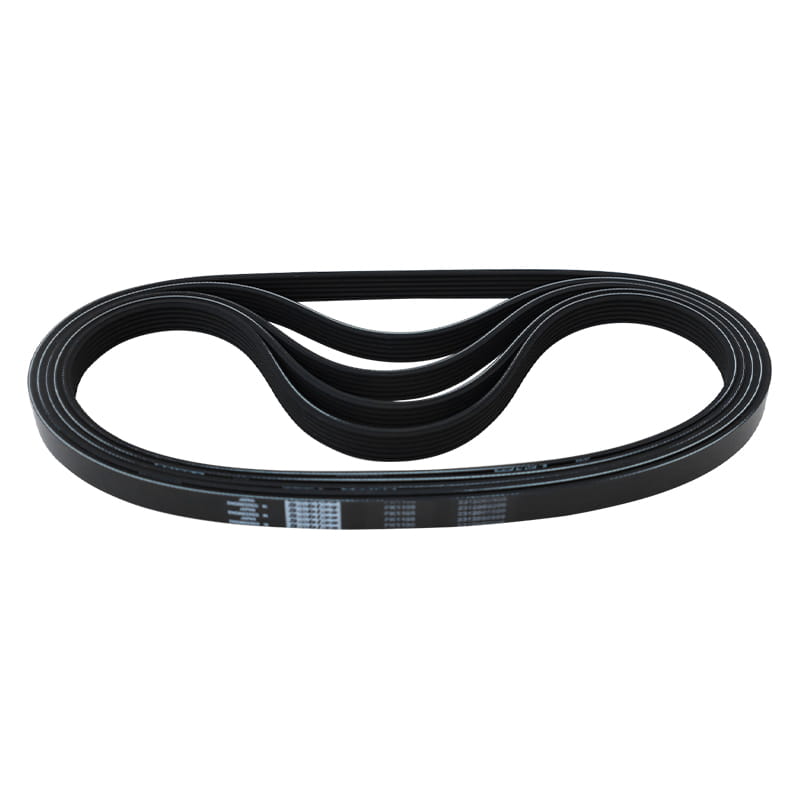
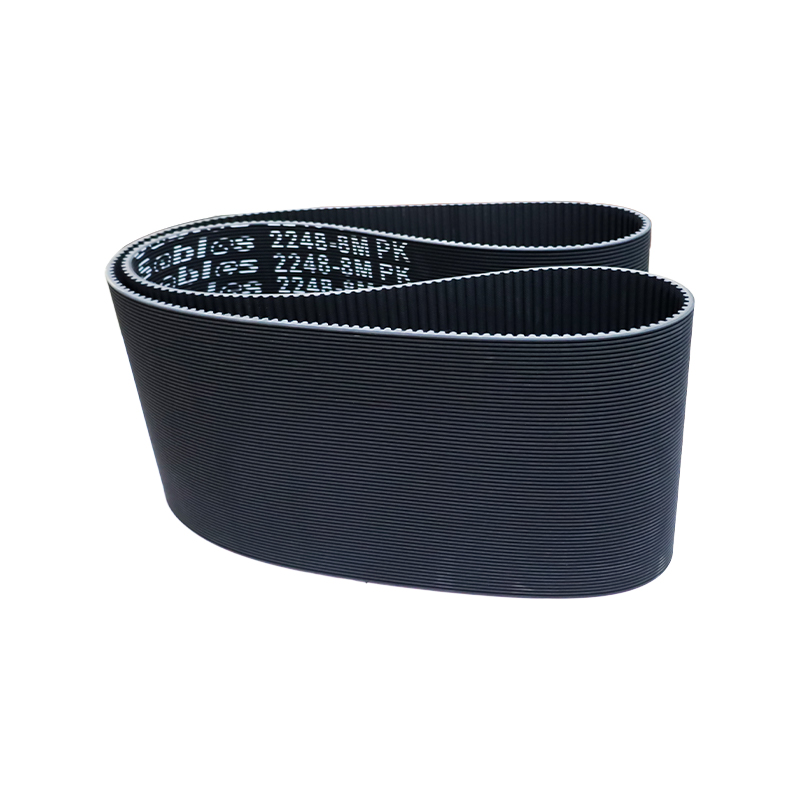
Isang malusog goma timing belt ang pagpapatakbo ng tama ay hindi naglalabas ng nasusunog na amoy ng goma. Ang nasusunog na amoy ng goma mula sa engine bay ay isang malinaw na senyales ng babala na ang sinturon ay dumudulas, dumudulas sa isang nasamsam na bahagi, o nakakaranas ng abnormal na alitan na dulot ng isang bagsak na tensioner o hindi naka-align na pulley , hindi isang normal na bahagi ng pagpapatakbo ng sinturon. Ang amoy ay nabuo sa pamamagitan ng init mula sa friction na nagko-convert ng goma sa ibabaw ng sinturon sa mga gaseous compound, at ito ay nagpapahiwatig na ang mekanikal na pagkabigo ay nangyayari na. Ang pagwawalang-bahala dito ay nanganganib sa kumpletong pagkabigo ng sinturon, at sa isang interference engine, ang naputol na timing belt ay nangangahulugan ng mga baluktot na balbula, sirang piston, at isang bayarin sa pagkukumpuni na maaaring umabot ng libu-libong dolyar (Source: MAY Automotive, Timing Belt Failure Symptoms).
Bakit Nagmumula ang Nag-aapoy na Amoy sa Isang Rubber Timing Belt
Ang nasusunog na amoy ng goma na nauugnay sa isang timing belt ay palaging isang sintomas ng isang pinagbabatayan na mekanikal na kondisyon, hindi kailanman isang tanda ng normal na operasyon. Tatlong ugat ang dahilan para sa halos bawat kaso.
Pagdulas ng Belt Sa Mga Pulley
Kapag nawalan ng tamang tensyon ang timing belt, nagsisimula itong dumulas sa mga ngipin ng crankshaft o camshaft sprocket sa panahon ng operasyon. Ang relatibong paggalaw sa pagitan ng ibabaw ng rubber belt at ng umiikot na metal sprocket ay nagdudulot ng init sa pamamagitan ng friction. Direktang kinukumpirma ng Detalye ng mga Eksperto ang mekanismo: ang isang pagod, maluwag, o hindi maayos na timing belt ay maaaring magdulot ng friction at init sa panahon ng pagpapatakbo ng engine, na naglalabas ng nasusunog na amoy ng goma (Source: Detalye ng mga Eksperto, Ang Kotse ay Parang Nasusunog na Rubber). Sa mga temperatura na nabuo sa pamamagitan ng pag-slide ng sinturon laban sa mga metal sprocket, ang ibabaw ng goma ay nagsisimulang bumaba, na naglalabas ng mga pabagu-bago ng isip na mga compound na lumilikha ng katangian ng maasim na amoy.
Belt Rubbing Laban sa Isang Nasamsam na Idler O Tensioner
Kung ang isang idler pulley o tensioner bearing ay sumakop habang ang sinturon ay patuloy na gumagalaw, ang sinturon ay mapipilitang mag-slide sa isang nakatigil na ibabaw sa halip na malayang gumulong. Ang gabay sa pagkabigo ng timing belt pulley ng JLCMC ay nagsasaad na ang isang malakas na amoy ng goma mula sa engine bay ay maaaring mangahulugan na ang timing belt ay kumakapit sa isang seized na idler pulley o isang misaligned belt pulley, at na ito ay mabilis na nakakabuo ng init at maaaring humantong sa buong system failure (Source: JLCMC, 7 Signs Your Timing Belt Pulley Is Failing). Ang naka-localize na init sa punto ng pakikipag-ugnay sa pagitan ng gumagalaw na sinturon at ang nakatigil na nasamsam na bahagi ay matindi at maaaring pababain ang ibabaw ng sinturon sa loob ng ilang minuto ng simula ng pag-agaw.
Nabigong Tensioner na Nagiging sanhi ng Maling Pagkakalagay at Pagkikiskisan sa Gilid
Ang pagod na tensioner na nawalan ng spring force o nabuong play sa pivot bushing nito ay nagbibigay-daan sa belt na masubaybayan ang off-center, na nagiging sanhi ng patuloy na pagkuskos ng isang gilid ng belt sa pulley flange. Inilalarawan ng Engineer Fix ang failure mode na ito: ang mga pagod na pivot bushing ay nagiging sanhi ng pag-alis ng tensioner arm sa gitna, na naglalagay ng hindi nararapat na diin sa mga gilid ng belt at posibleng humantong sa fraying, crack, o nasusunog na amoy ng goma mula sa friction (Source: Engineer Fix, Paano Malalaman Kung Masama ang Iyong Belt Tensioner). Idinagdag ng AutoTechIQ na ang isang nabigong tensioner ay bumubuo ng labis na alitan sa pamamagitan ng maluwag o hindi pagkakatugmang sinturon na nalilikha nito, at ang alitan na ito ay nagbubunga ng nasusunog na amoy (Source: AutoTechIQ, 7 Signs of a Faulty Tensioner).
Iba pang Sintomas na Kaakibat ng Nasusunog na Timing Belt na Amoy
Ang isang nasusunog na amoy ng goma mula sa lugar ng timing belt ay bihirang lumitaw nang nakahiwalay. Ang parehong mga mekanikal na kondisyon na bumubuo ng amoy ay gumagawa din ng iba pang mga senyales ng babala na tumutulong sa pagkumpirma ng diagnosis.
- Mga ingay ng pagkiskis, pagsampal, o pagsirit mula sa harap ng makina, sanhi ng isang maluwag na sinturon na nagvibrate laban sa mga bahagi o isang seized na bearing na nagdudulot ng metallic friction (Source: MAY Automotive, Timing Belt Failure Symptoms)
- Magaspang na idle o pagkatisod sa panahon ng acceleration, kung saan ang isang dumulas na sinturon ay hindi na makapagpanatili ng tumpak na timing ng balbula, na nagiging sanhi ng hindi pantay na pagtakbo ng makina (Source: PartCatalog, Signs Your Timing Belt Is Failing)
- Maling sunog ang makina, kapag ang pagkadulas ng sinturon ay nagiging sanhi ng pag-apoy ng isa o higit pang mga cylinder sa maling sandali dahil sa mga error sa timing ng camshaft
- Nahihirapang i-start ang makina, lalo na sa malamig na umaga, kapag ang timing belt slack ay humahadlang sa tamang pagkakaugnay sa camshaft at crankshaft sprockets (Source: Innova, Common Symptoms of a Faulty Timing Belt Tensioner)
- Suriin ang pag-iilaw ng Engine Light, na na-trigger kapag na-detect ng engine control unit ang mga pagkakaiba sa timing ng camshaft o crankshaft na sanhi ng pagkadulas ng sinturon (Source: PartCatalog, Signs Your Timing Belt Is Failing)
- Nakikitang alikabok ng goma o mga labi sa paligid ng takip ng timing, na nagpapahiwatig na ang materyal ng sinturon ay nasisira habang tumatakbo
Ano ang Dapat Gawin Agad Kapag Naamoy Mo ang Nasusunog na Goma Mula sa Lugar ng Belt
Ang nasusunog na amoy ay nagpapahiwatig na ang pagkasira ay aktibo, hindi potensyal. Mahalaga ang bilis ng pagtugon dahil ang isang timing belt na dumudulas na o kumakalat ay maaaring ganap na mabigo sa loob ng maikling biyahe. Inirerekomenda ng Mga Detalye ng Eksperto na huminto nang ligtas, patayin ang makina, at hayaan itong ganap na lumamig bago iangat ang hood kapag may nakitang malakas na nasusunog na amoy ng goma (Source: Detalye sa Mga Eksperto, Ang Kotse ay Parang Nasusunog na Rubber). Ang panganib ng patuloy na pagmamaneho ay hindi lamang karagdagang pinsala sa sinturon; sa isang interference na disenyo ng engine, kung saan nagsasapawan ang valve at piston travel path, ang naputol na timing belt ay nagdudulot ng valve-piston contact na yumuyuko sa mga valve, nakakakuha ng mga cylinder wall, at maaaring matanggal nang buo ang engine.
Mga Hakbang Upang Masuri ang Pinagmulan
- Ihinto nang ligtas ang sasakyan at patayin ang makina; huwag mag-restart hanggang sa matukoy ang pinagmulan
- Hayaang lumamig nang buo ang makina, pagkatapos ay tanggalin ang takip ng timing o siyasatin sa anumang available na access point para sa kondisyon ng sinturon, nakikitang hindi pagkakahanay, at mga debris sa paligid ng landas ng sinturon
- Siyasatin ang ibabaw ng sinturon para sa mga natunaw na batik, glazing, punit na mga gilid, o rubber powder na nakadeposito sa mga katabing ibabaw.
- Suriin ang mga idler pulley at ang tensioner sa pamamagitan ng pag-ikot ng mga ito sa pamamagitan ng kamay habang nakapatay ang makina; Ang makinis, walang resistensyang pag-ikot ay normal, habang ang paninigas, paggiling, o pag-alog ay nagpapahiwatig ng pagkabigo sa tindig
- Suriin ang tensyon ng sinturon sa pamamagitan ng pagpindot dito sa pinakamahabang hindi sinusuportahang span; ang labis na pagpapalihis ay nagpapahiwatig ng under-tension, habang ang isang board-stiff belt na walang give ay nagpapahiwatig ng sobrang tensyon
- Suriin kung may tumagas na langis o coolant malapit sa timing cover, dahil ang kontaminasyon ng likido sa belt ay isang hiwalay na sanhi ng pagkasira ng goma na maaaring magdulot ng katulad na nasusunog na amoy sa ilalim ng init (Source: PartCatalog, Signs Your Timing Belt Is Failing)
Mga Kundisyon na Ginagawang Mas Masugatan Sa Init at Amoy ang Timing Belt
Ang pag-unawa sa mga kundisyon sa pagpapatakbo na nagpapabilis sa pagkasira ng sinturon ay nagpapaliwanag kung bakit ang ilang sasakyan ay nagkakaroon ng nasusunog na amoy nang mas maaga sa buhay ng serbisyo ng sinturon kaysa sa iba.
Maling Tensyon Mula Sa Simula
Ang parehong over-tensioning at under-tensioning ay lumilikha ng mga kondisyon para sa nasusunog na amoy at napaaga na pagkabigo. Ang under-tension ay nagbibigay-daan sa pagkadulas at sa friction heat na gumagawa ng amoy. Ang sobrang pag-igting ay naglalagay ng labis na static na diin sa sinturon at mga bearings na nagpapabilis sa pagkasira at pag-agaw ng tindig. Kinikilala ng MAY Automotive ang hindi tamang tensyon, mula sa isang pagod na tensioner o maling itakda ang tensyon sa nakaraang serbisyo, bilang direktang sanhi ng pagkabigo ng timing belt sa pamamagitan ng mekanismo ng pagdulas (Source: MAY Automotive, Timing Belt Failure Symptoms).
Pag-iipon ng init Malapit sa Engine Block
Ang mga timing belt ay nasa malapit sa engine block at sa maraming sasakyan ay malapit sa exhaust manifold, na naglalantad sa kanila sa mga matataas na thermal cycle. Ang gabay sa pagkabigo ng timing belt ng PartCatalog ay nagsasaad na ang matagal na pagkakalantad sa sobrang init mula sa kapaligiran ng makina, na sinamahan ng panginginig ng boses at stress sa kapaligiran, ay nagpapababa ng goma nang mas mabilis at ginagawang mas madaling kapitan ang sinturon sa init ng friction na nagdudulot ng nagbabagang amoy kapag mayroon ding anumang pangalawang isyu gaya ng banayad na misalignment (Source: PartCatalog, Signs Your Failing Timing Belt).
Kontaminasyon ng Langis o Coolant
Ang langis ng makina o coolant na kumakapit sa timing belt mula sa tumutulo na seal o gasket ay umaatake sa rubber compound, lumalambot at namamaga ito. Ang isang kontaminadong sinturon ay nawawalan din ng friction contact sa mga ngipin ng sprocket, na nagiging mas malamang na madulas sa ilalim ng load ng engine. Kapag ang lumambot na goma ay nakararanas ng alitan mula sa pagkadulas, ang nasusunog na amoy ay nagagawa sa mas mababang temperatura kaysa sa isang tuyong sinturon, dahil ang nasirang goma ay mas madaling masunog (Source: MAY Automotive, Timing Belt Failure Symptoms).
Paano Naiiba ang Nasusunog na Amoy Mula sa Timing Belt Sa Iba pang Amoy ng Belt
Ang mga makina ay naglalaman ng maramihang mga sistema ng sinturong goma, at ang pagtukoy kung aling sinturon ang gumagawa ng nasusunog na amoy ay mahalaga para sa tamang pagdidirekta sa pagkukumpuni.
| Uri ng Sinturon | Lokasyon ng Amoy | Mga Kaugnay na Sintomas | Agarang Panganib Kung Babalewalain |
| Timing belt | Sa harap ng makina, sa ilalim ng takip ng timing | Mga misfire, rough idle, hard start, check engine light | Pagkasira ng makina sa mga interference engine |
| Serpentine belt | Sa harap ng makina, mas madaling ma-access | Ilaw ng babala ng baterya, AC failure, overheating, pagkawala ng power steering | Kabiguan ng accessory system, sobrang pag-init |
| Magmaneho ng belt sa water pump | Harap ng makina | Tumataas ang temperatura ng coolant, walang init mula sa cabin heater | Nag-overheat ang makina sa loob ng ilang minuto |
Inirerekomenda ng diagnostic guide ng Vehicle Runs na tandaan kung kailan eksaktong lalabas ang amoy, kung sa startup, sa panahon ng acceleration, kapag naka-on ang AC, o pagkatapos lamang ng matagal na idling, at pagtukoy kung ito ay pinakamalakas malapit sa harap ng engine o sa lugar ng gulong, dahil ang timing at serpentine belt na amoy ay puro sa harap ng makina sa halip na malapit sa mga gulong kung saan ang pinanggalingan ng mga sasakyan: Amoy Mula sa Kotse).
Kailan Palitan Sa halip na Mag-imbestiga
Kung ang isang nasusunog na amoy ay nakita malapit sa timing belt, ang inspeksyon ay maaaring magbunyag na ang sinturon mismo ay napakahina na upang magpatuloy sa serbisyo kahit na walang nakikitang break na naganap. Surface glazing, punit-punit na mga gilid ng kurdon, nawawala o nasirang mga profile ng ngipin, compression crack sa likod ng sinturon, o anumang nakikitang natunaw na mga bahagi ay lahat ng batayan para sa agarang pagpapalit anuman ang agwat ng serbisyo ng sinturon.
Ang mga pagitan ng pagpapalit ng timing belt ay karaniwang tinutukoy sa mga kilometro o milya sa halip na mga taon, dahil ang paggamit ay higit na mahalaga kaysa sa oras ng kalendaryo para sa mekanikal na pagsusuot. Tinukoy ng karamihan sa mga tagagawa ang pagpapalit tuwing 60,000 hanggang 100,000 milya o bawat limang taon, alinman ang mauna, ngunit anumang ebidensya ng pagkasira ng init, kontaminasyon, o abnormal na pagkasuot ay na-override ang agwat at nangangailangan ng kapalit kaagad. Ang mga tensioner at idler pulley ay dapat palaging palitan kasabay ng belt, dahil ang mga ito ay nag-iipon ng parehong oras ng pagpapatakbo at ang isang bearing na nabigo pagkatapos mapalitan ang sinturon ay inuulit ang buong trabaho nang hindi kinakailangan.
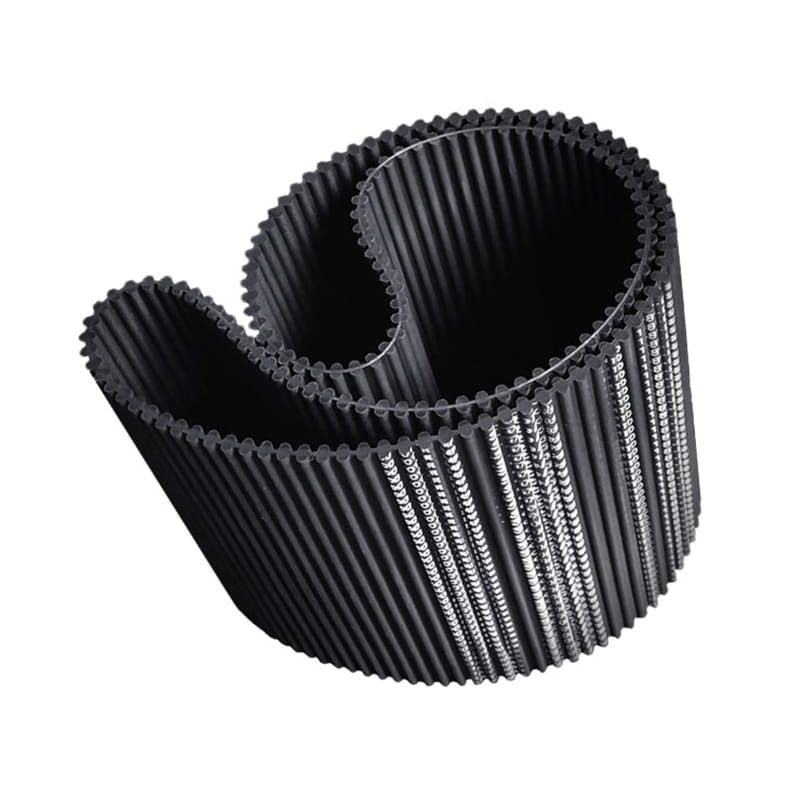
Ang pagpili ng isang de-kalidad na kapalit na sinturon ay kasinghalaga ng pagpapalit nito sa oras. Ang KML goma timing belts Ang range ay ginawa gamit ang fiber-reinforced tensile cords at compounded rubber na lumalaban sa init, kontaminasyon ng langis, at fatigue stress na nagiging sanhi ng pagdulas at alitan na responsable para sa pagsunog ng mga amoy ng goma, na nagbibigay sa kapalit na sinturon ng materyal na pundasyon upang makumpleto ang buong na-rate na agwat ng serbisyo nito nang hindi nagpapakita ng mga babalang palatandaan na nagpapakita ng maagang pagkabigo.